Welcome to
Tusqa WellBeing
Take care of your mental well-being with expert guidance.
Start your self-care journey today and regain control of your life with our personalized mental health services.
Request Your Consultation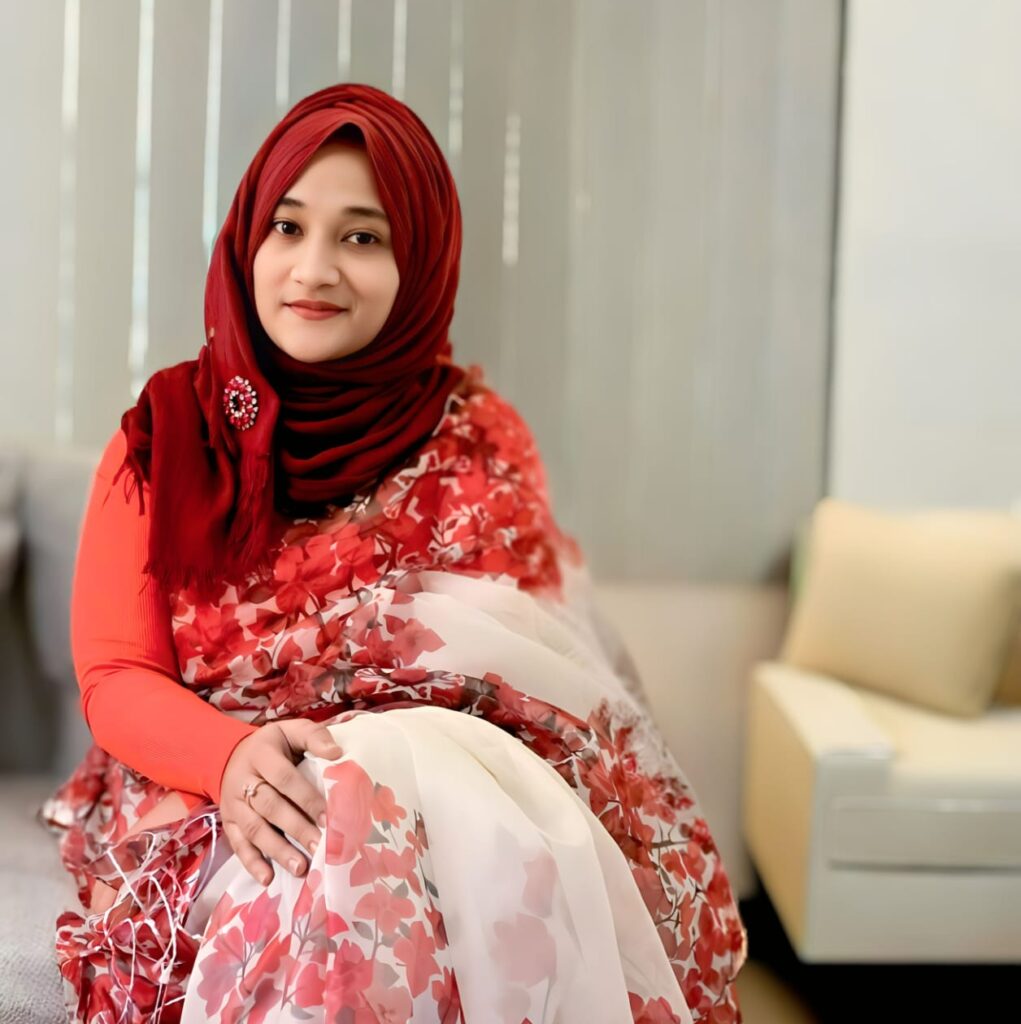
“I didn’t know where to begin, but Tusqa gently helped me untangle the mess inside my mind. Every session felt like coming home to myself.”
See More TestimonialsIndividual Counselling & Psychotherapy
A space to explore, heal, and grow—at your own pace. We'll work toward healing and building emotional resilience through a personalized, evidence-based approach.
View DetailsGroup Therapy
Healing in community, with shared understanding. This space fosters connection, shared experiences, and mutual healing, reminding us we're not alone.
View DetailsCouple Therapy
Strengthening bonds through understanding and empathy. The goal is not to 'fix' one another—but to grow together with awareness, respect, and love.
View DetailsFamily Therapy
Creating harmony within the most important system—your family. We aim to enhance communication, set healthy boundaries, and foster mutual understanding.
View DetailsWorkshops & Training
Empowering communities with knowledge, tools, and emotional skills through interactive sessions tailored to meet the needs of specific groups.
View DetailsThe Islamic Wellbeing Approach
Healing the heart, mind, and soul through Islamic-informed psychological care. Ideal for those seeking alignment between mental wellbeing and spiritual growth.
View Details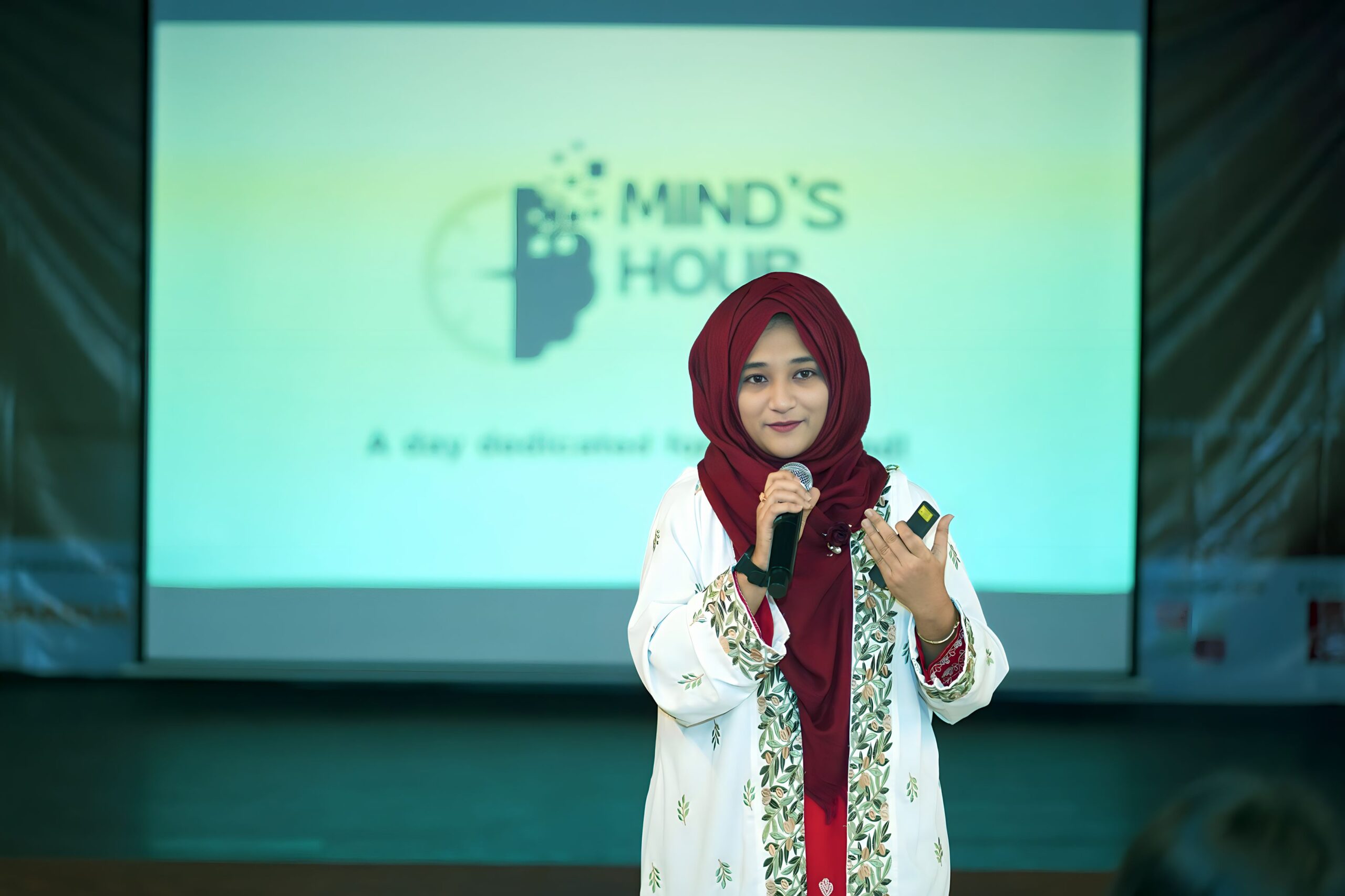
Meet The Founder
Meet Tarannum Musarrat Tusqa
Tarannum Musarrat Tusqa is a Consultant Psychologist, Safeguarding Advocate, and Mental Health & Wellbeing Specialist, with over nine years of experience in clinical and community-based mental health care. She has worked with diverse populations across individual, couple, family, and group settings—supporting them through emotional hardship, identity confusion, faith-based concerns, and trauma recovery.
She has facilitated dynamic and transformative workshops for corporates, national and international organizations, and educational institutions. Her sessions are designed to help professionals tap into their inner strength, navigate daily challenges with resilience, and achieve greater personal and professional fulfillment.
Know MoreWhy Tusqa?
Therapy that honors your story—and your soul.
Emotionally safe & judgment-free
Culturally and spiritually sensitive care
Personalized, structured, and client-led
Respected by those who almost gave up on therapy
No pressure, no one-size-fits-all expectations
In-Person & Online Therapy Available
Access Therapy From Anywhere
Support that fits your life, wherever you are. Therapy is accessible to you whether:
- You prefer face-to-face connection in a calming, private setting
- You live outside the city or country and need remote support
- You have a busy schedule and need flexible session times
- You want to continue therapy while traveling or relocating
Whether online or in person, the support remains consistent, compassionate, respectful, and tailored to your needs.
In-Person Sessions
Held at Dhanmondi 27, Dhaka, in a quiet, confidential setting designed to help you feel safe, seen, and supported.
Online Sessions
Secure, video-based sessions for clients living outside Dhaka, abroad, or anyone who prefers flexibility and privacy.
News
Blog and News
Frequently Asked Questions
- Psychologist: A trained mental health professional (usually with a master's or doctoral degree) who provides therapy and assessments. They use evidence-based techniques like CBT, DBT, mindfulness, etc. They do not prescribe medication.
- Psychiatrist: A medical doctor who specializes in mental health. They can prescribe medication, and often work with more severe psychiatric conditions. Some also offer brief counseling or psychotherapy.
- Counselor: A mental health professional trained to help people deal with specific life issues (e.g., grief, relationships, stress). They usually hold a master's degree and offer short-to-medium-term emotional support.
Tusqa is a Clinical Psychologist—she offers psychotherapy and counseling but does not prescribe medication.
- Dr. Malik Badri
Key Work: The Dilemma of Muslim Psychologists (1979) - Dr. Abdallah Rothman
Key Work: Developing a Model of Islamic Psychology and Psychotherapy (2019) - Dr. Rania Awaad
Key Work: Islamophobia and Psychiatry: Recognition, Prevention, and Treatment - Dr. Hooman Keshavarzi
Key Work: Developing TIFA Model (Traditional Islamically-Integrated Psychotherapy)
Islamic psychotherapy is not merely a set of religious beliefs—it is an emerging, structured, and integrative approach that draws from both classical Islamic understandings of the human psyche (nafs, qalb, ruh) and modern psychological science.
- Cognitive restructuring through Islamic metaphors and meaning-making
- Mindfulness grounded in dhikr and muraqabah (self-awareness)
- Emotion regulation using spiritual practices and prophetic examples
- Trauma healing through narrative reframing rooted in divine purpose, forgiveness, and resilience
This approach complements science by making therapy culturally and spiritually relevant, without compromising therapeutic rigor.